UX STRATEGY AND CONTENT DESIGN | META

As a Content Designer at Meta, I helped build Facebook and Instagram advertising tools with clearly defined messaging guidelines. My goal was to consolidate and improve proactive communication surfaced during ad creation to ensure businesses followed Advertising Standards in compliance with federal laws. I helped hypothesize, test and optimize content frameworks to achieve more transparent and actionable messages with clearly defined resolution paths.

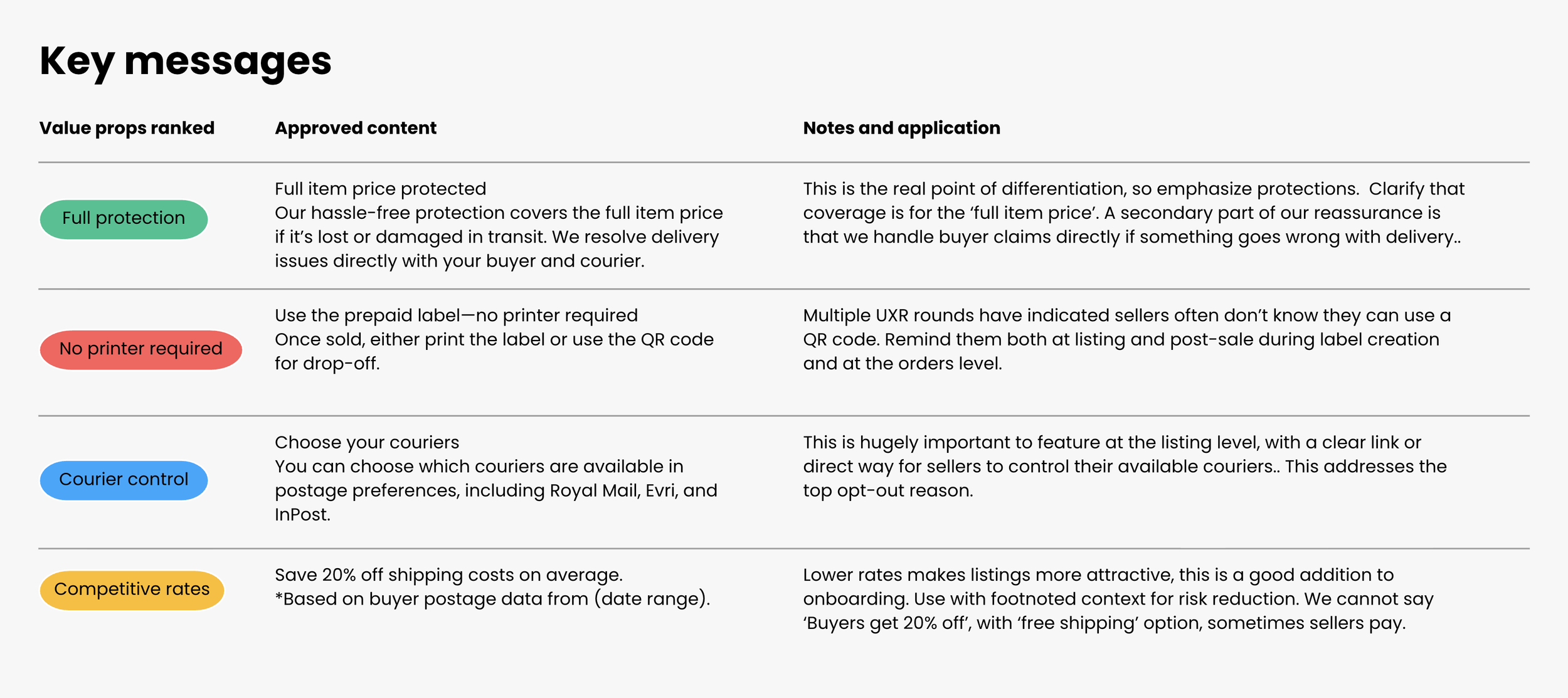
Contributing to product strategy, I collaborated with Product Managers, Designers, Engineers, Researchers, Data Analysts and other partners to identify user needs and prioritize opportunities. Insights illuminated that many well-intentioned businesses struggle to navigate policy violations, causing anxiety or frustration. Using simple, straightforward and human-centered language, guidelines were updated to include more clearly defined value propositions to empower businesses to self-resolve issues.

My revised product experiences helped inform and guide advertisers in regulated industries, such as housing, employment and credit, who are often unaware of their unique legal requirements. Proactive messaged were developed to inspire businesses to select a Special Ad Category during ad creation to comply with Meta’s Discriminatory Practices Policy and avoid getting rejected. This design-led initiative moved top line metrics by reducing true positive ad rejections by 11.6% for Special Ad Category ads, preventing significant ad revenue loss (Meta has anticipated recovering +$1M revenue/month).

MESSAGING GUIDELINES

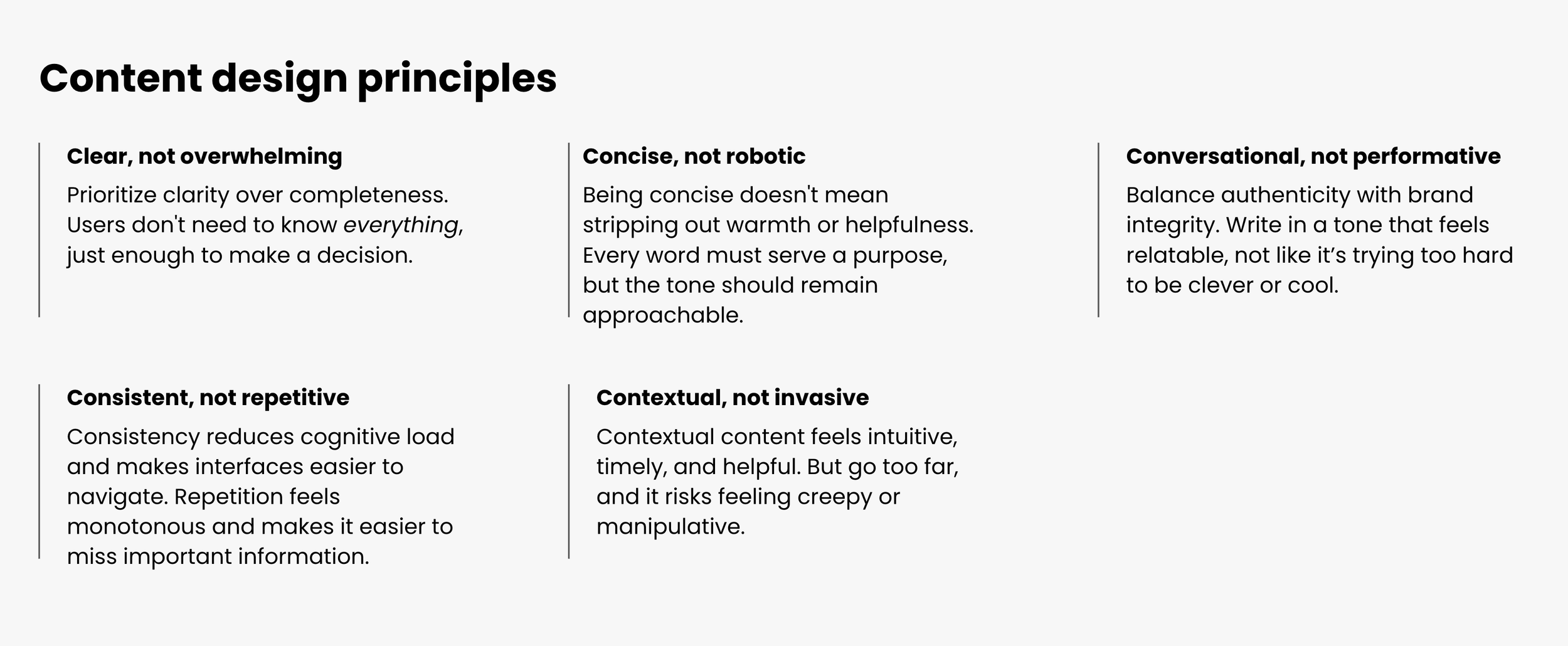
Due to a lack of advertising policy guidelines, content was inconsistent across the user journey and many Meta surfaces. Unclear error and warning messages impacted the user’s ability to understand policy issues and navigate to a resolution. Ensuring advertising messages were scalable across diverse use cases, I optimized content patterns so that businesses received high-quality, comprehensible support to inspire trust and long-term engagement from users.

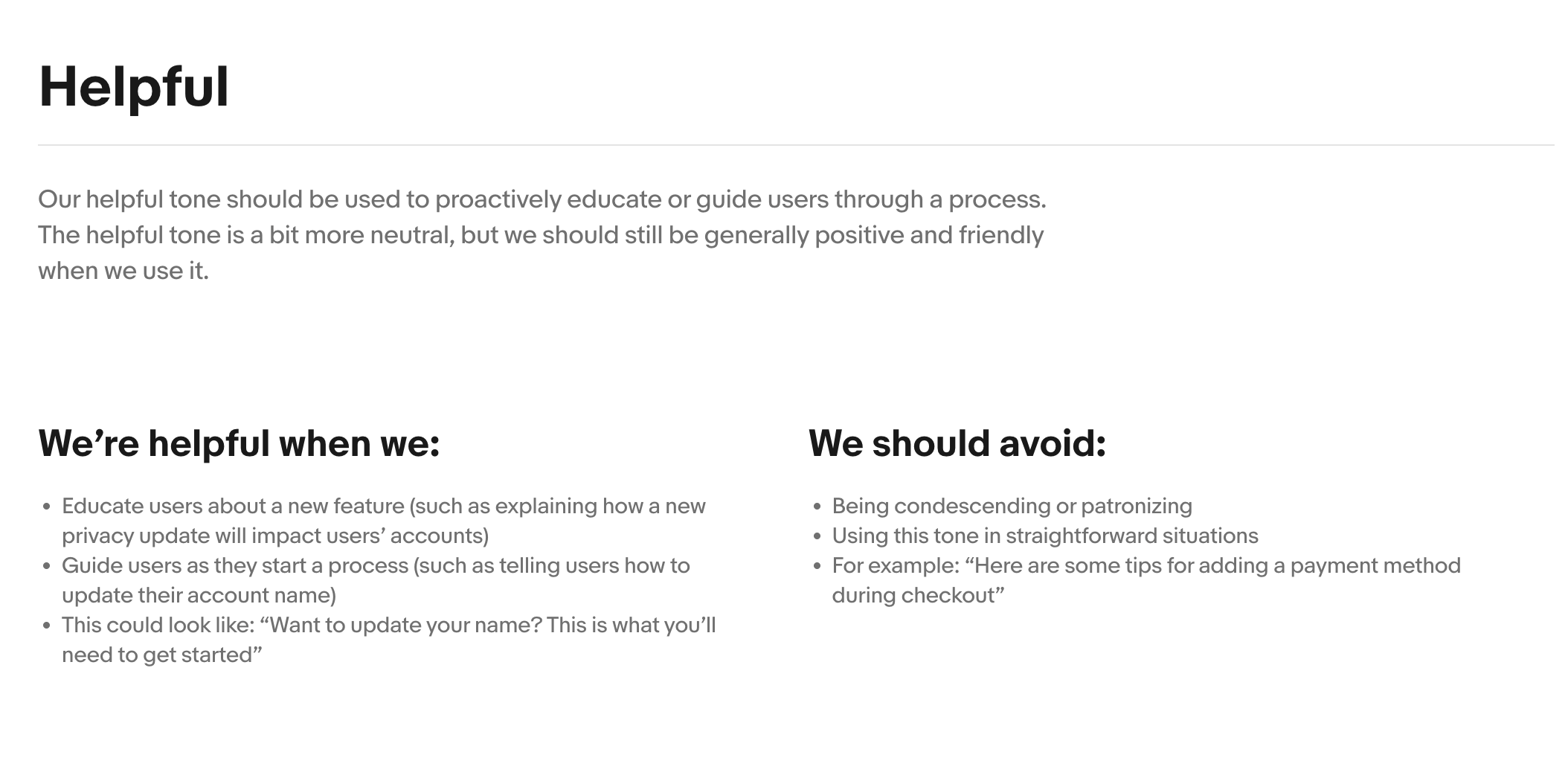
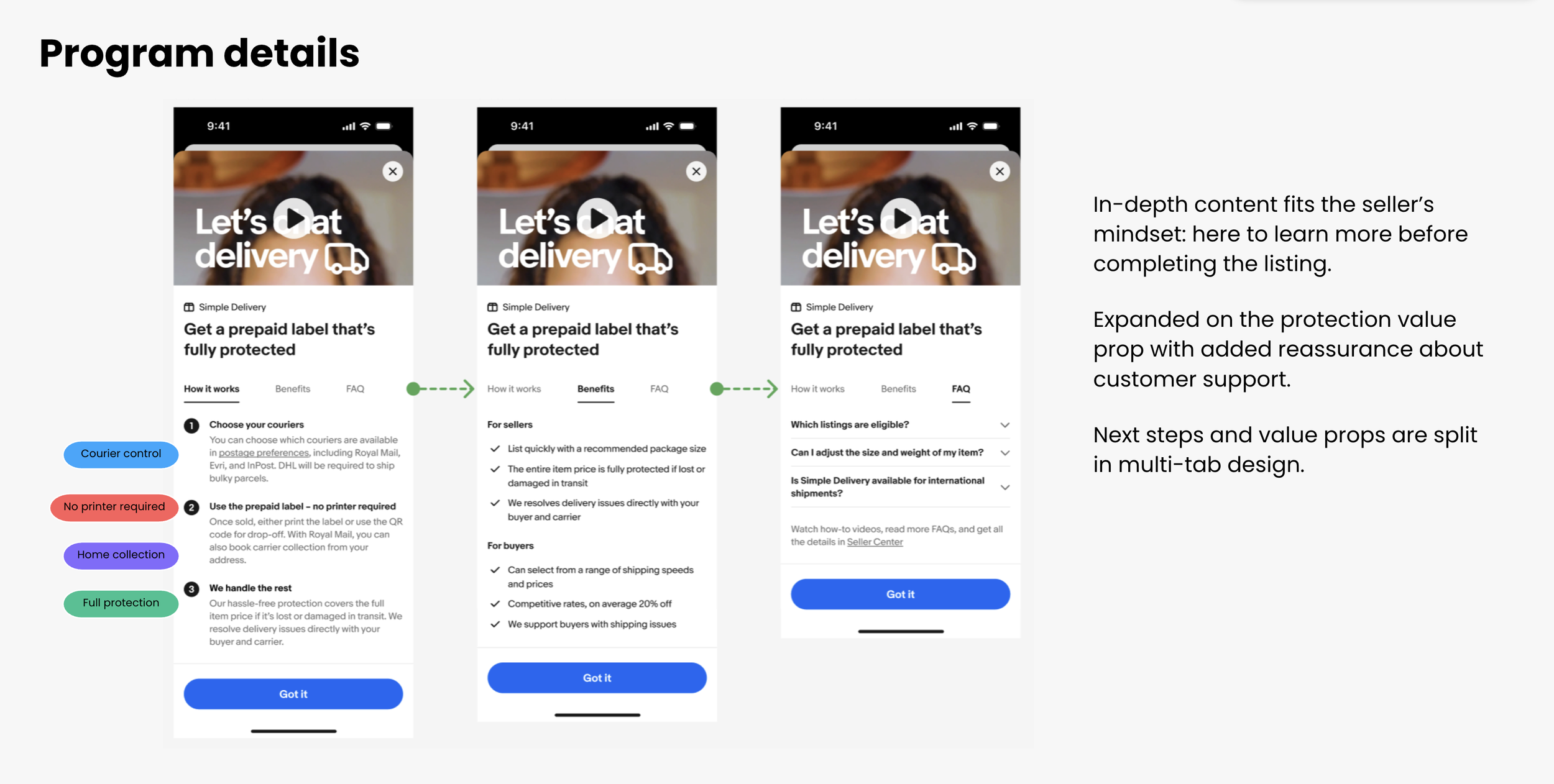
Adopting a systematic and methodical approach, I tested messaging guidelines and established a scalable design methodology that was streamlined, standardized and less redundant. Terminology and taxonomy patterns were developed to shape a holistic experience with consistent language. For example, guidance cards were grounded by a What happed informative education section and What you can do proactive resolution path. While my area of focus was Advertising Standards, the framework aligned with other communication channels, including Meta Business Help Center and Facebook Community Standards.

USER INSIGHTS

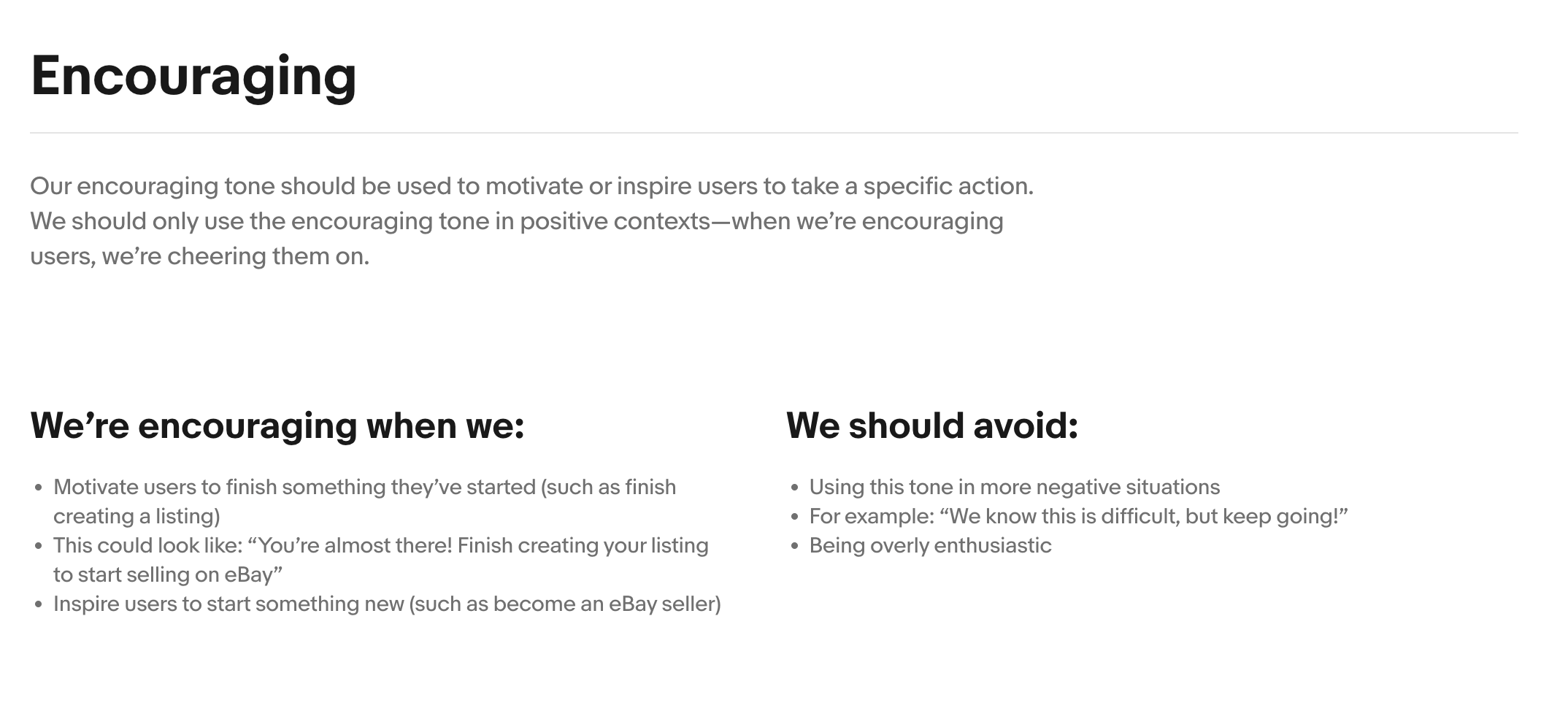
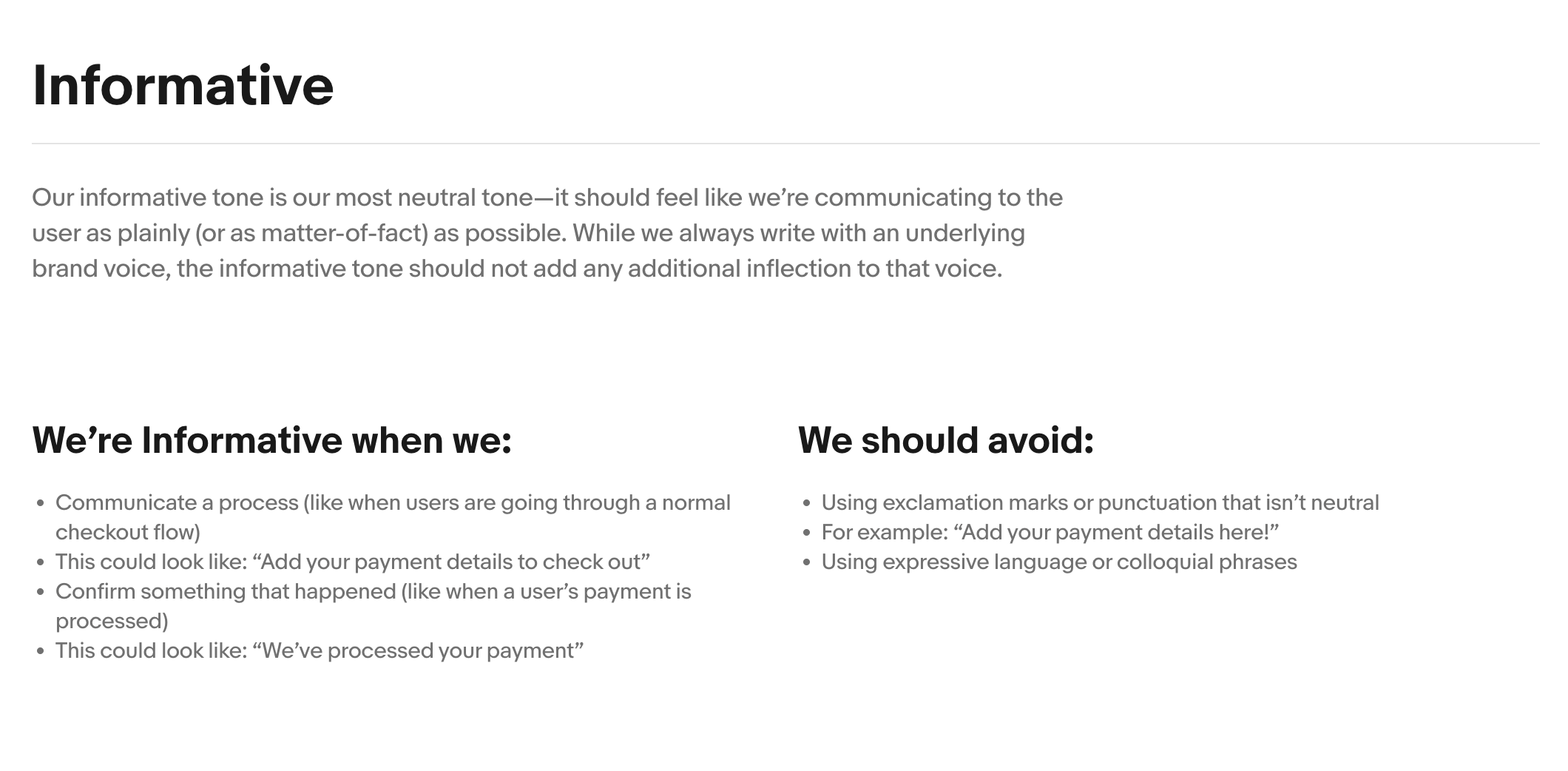
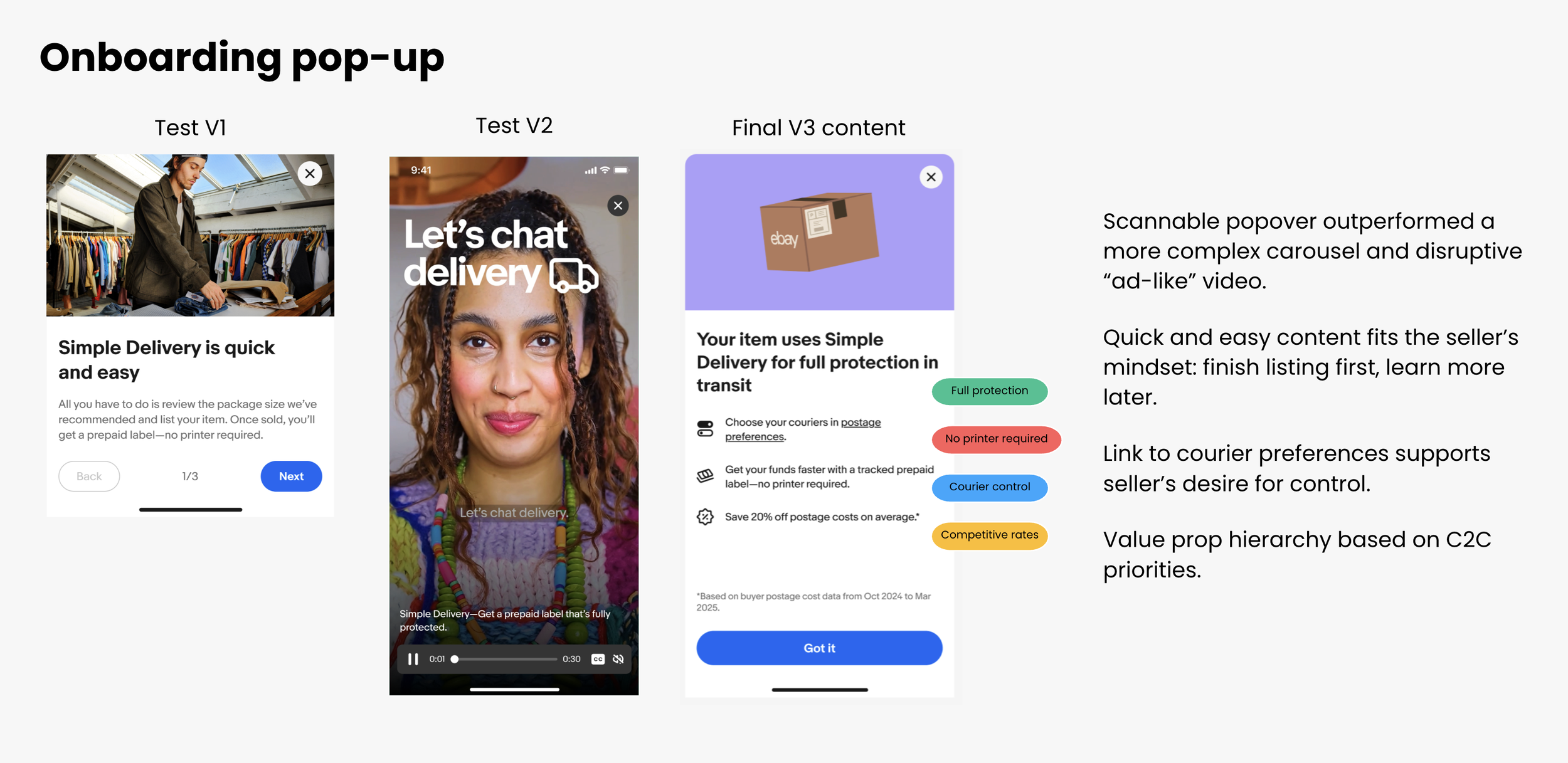
I utilized comparative and competitive analysis, in-product audits, performance data, qualitative and quantitative research to discover unmet needs and thoroughly understand use cases. This process included running A/B tests to confirm the best content direction, which proved a more informative and assertive tone ‘Ad may not run’ received greater engagement than an encouraging tone ‘Let’s get your ad running’. Ongoing testing prompted me to continually write and revise content, as insights helped inform and evolve design systems.

Collaborating with User Researchers, I supported with in-depth interviews to better understand user behaviors and attitudes towards Meta ad creation and policy warnings. Evaluating the tone framework from a qualitative perspective, research uncovered that users gravitated to direct and matter-of-fact messages that feel more serious. Testing the threshold for cognitive overload, we found that users appreciated seeing a list of examples of ad violations to help humanize the policy. This led us to include more in-depth resources and real-world scenarios for greater context. Advertising guidance cards were confirmed to be beneficial as users preferred to self-remediate issues over contacting customer support or a sales representative.